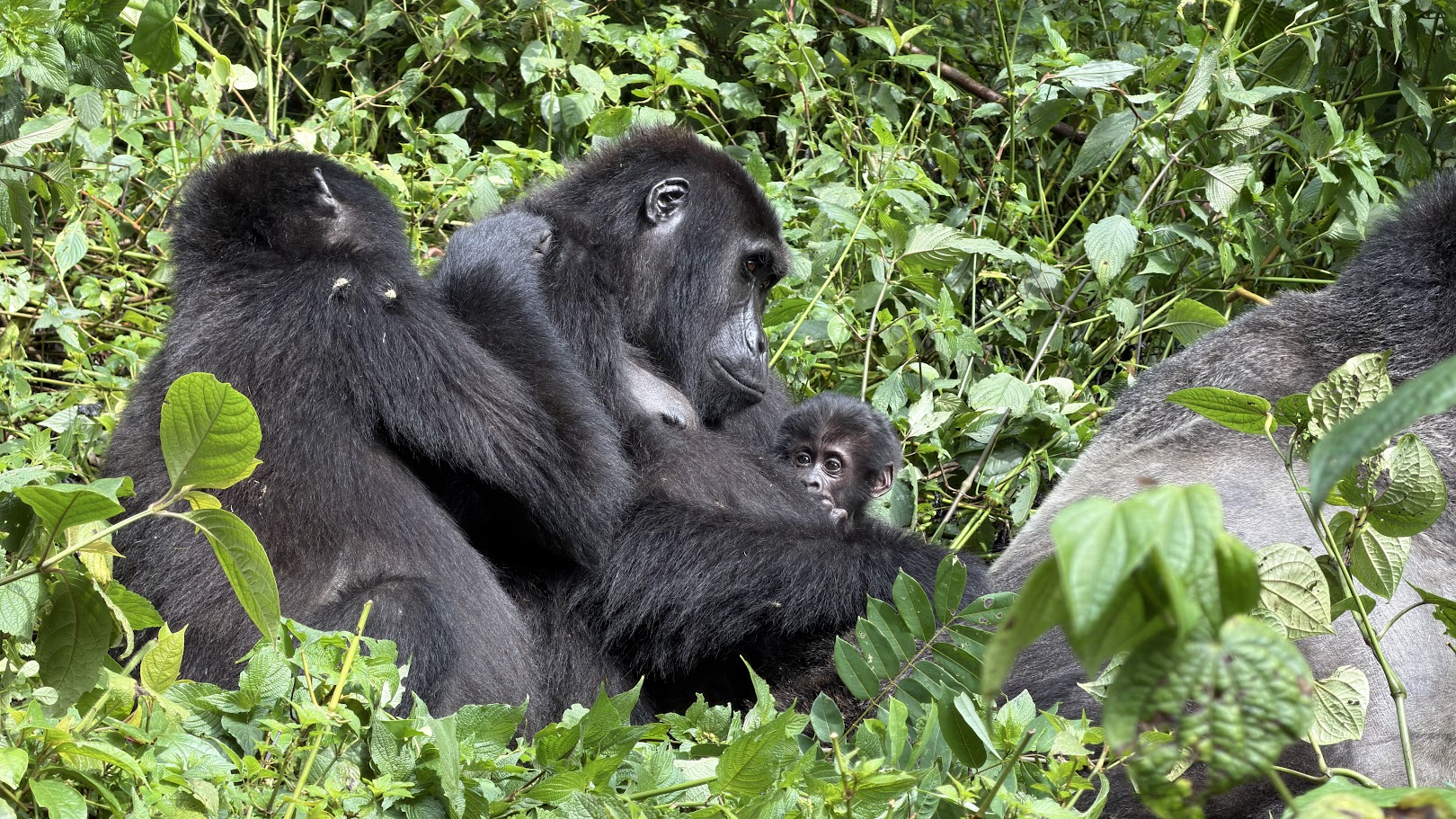
There are wildlife experiences, and then there’s sitting a few meters from a family of mountain gorillas in the forest, watching a silverback eat while the babies tumble around him. I’ve done a lot of safaris, and gorilla trekking in Uganda is still one of the most moving travel experiences I’ve ever had.
In this guide, you will discover the best practices for gorilla trekking in Uganda, ensuring a memorable experience while respecting wildlife regulations.
If it’s on your list, this guide covers what it’s really like, where to go, how hard it is, and how to fit it into a bigger East Africa trip.
You can watch a video of me prepping for a gorilla trek HERE!

What Is Gorilla Trekking?
Gorilla trekking means hiking into the forest with park rangers and trackers to spend one hour with a habituated family of wild mountain gorillas. “Habituated” means the family has slowly gotten used to people over several years, so they go about their day while you watch.
There are only about 1,000 mountain gorillas left in the world, and they live in just three countries: Uganda, Rwanda, and the Democratic Republic of Congo. Most travelers trek in Uganda or Rwanda.
Where Can You Go Gorilla Trekking?
Uganda
- Bwindi Impenetrable National Park: home to about half of the world’s mountain gorillas, with four trekking sectors and the most gorilla families to choose from
- Mgahinga Gorilla National Park: a smaller park on the slopes of the Virunga volcanoes
Rwanda
- Volcanoes National Park: about a 2.5-hour drive from Kigali, with misty bamboo forests and volcano views
Not sure which country is right for you? I break it all down in [link: Uganda vs. Rwanda for Gorilla Trekking].
What Gorilla Trekking Is Actually Like, Step by Step
1. Early morning briefing. You’ll arrive at park headquarters around 7:00 a.m. for a briefing on the rules and what to expect. In Rwanda, there’s often traditional music and dancing while you wait.
2. Getting assigned a gorilla family. Rangers assign each small group of trekkers to a gorilla family. If you want an easier or a more adventurous hike, this is when you (or your guide) can ask.
3. Meeting your porter. Local porters are available to carry your daypack and help you on steep or slippery sections. I always recommend hiring one. It’s a huge help, and it supports families in the communities around the park.
4. The trek in. Trackers head out at dawn to find the gorillas and radio their location to your ranger. Depending on where the family is that day, the hike can take anywhere from 30 minutes to several hours, through thick forest, mud, and steep hillsides.
5. Your hour with the gorillas. Once you’re close, you’ll leave your bags and walking sticks behind, put on your mask, and walk the last stretch. Then you get one magical hour watching them eat, play, groom, and nap. It goes by fast!
6. The trek out. You’ll hike back to the trailhead, usually on a high from what you just saw. Many parks give you a certificate at the end.
How Hard Is Gorilla Trekking?
It ranges from moderate to challenging, depending on the park, the terrain, and where the gorillas happen to be that day. You don’t need to be an athlete, but you should be comfortable hiking for a few hours on steep, uneven ground. For the full breakdown on fitness, age limits, and what to wear, see [link: How Hard Is Gorilla Trekking?].
What to Wear Gorilla Trekking
Think long pants, long sleeves, waterproof hiking boots, a rain jacket, and gardening gloves for grabbing branches and stinging nettles. I share my full packing list in [link: How Hard Is Gorilla Trekking?].
How Gorilla Permits Work
You need a permit to trek, and they’re limited to just 8 people per gorilla family per day. That’s why they sell out, especially in the dry season. Rwanda’s permit is $1,500 per person, and Uganda’s is lower. Permits are booked in advance through a licensed tour operator, so it’s one of the first things I secure when planning a trip.
Why so expensive? Permit fees fund the rangers, vets, and anti-poaching patrols that keep the gorillas alive, and part of the money goes straight to local communities. You can read more in [link: The Conservation Impact of Gorilla Trekking].
When Is the Best Time to Go Gorilla Trekking?
You can trek year-round. The dry seasons, roughly June through September and December through February, mean easier trails and fewer muddy slides. The rainy months have greener scenery, fewer people, and sometimes lower permit prices, but the hiking can be more challenging.
How to Combine Gorilla Trekking with Safari
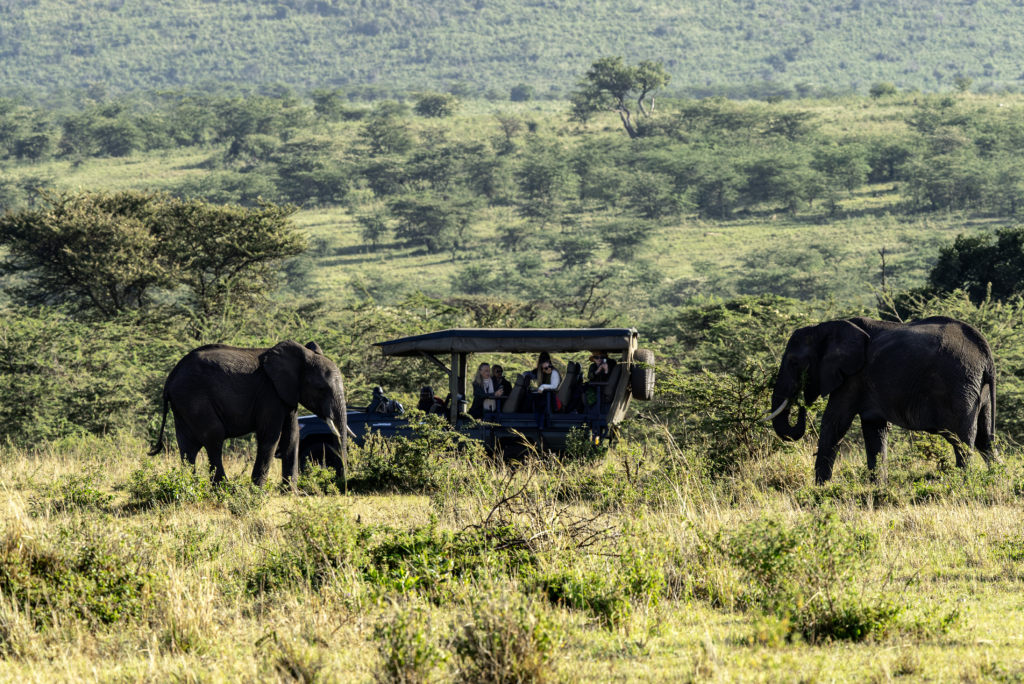
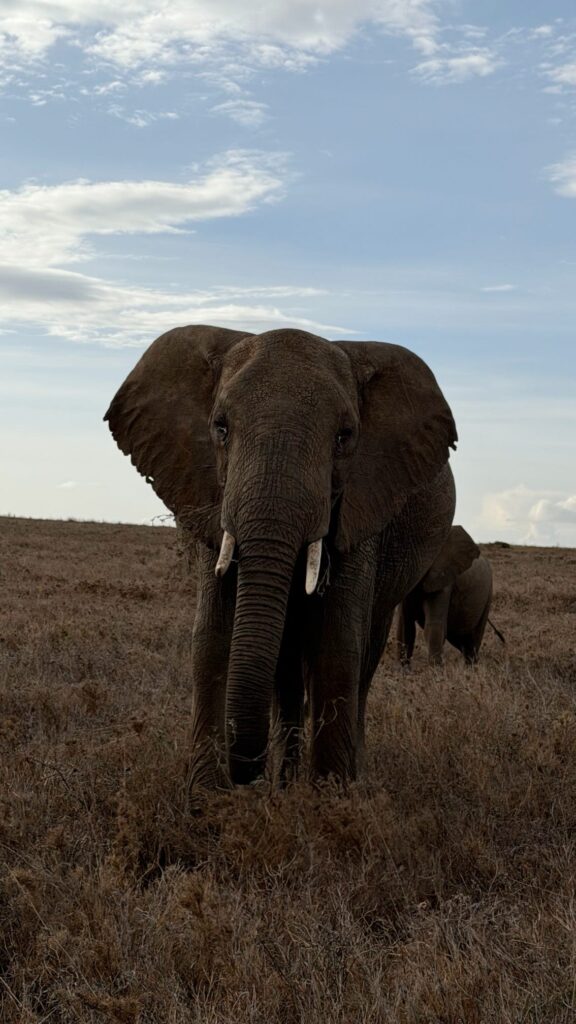
Gorilla trekking pairs beautifully with a classic safari in Kenya or Tanzania. A short flight connects Nairobi to Kigali or Entebbe, so it’s easy to add a few days with the gorillas to the Maasai Mara or Serengeti. I share sample routes in [link: How to Combine Gorilla Trekking with an East African Safari].
Is Gorilla Trekking Worth It?
Honestly? Yes. It’s not cheap, and it’s not always easy, but nothing compares to looking a gorilla in the eye in the wild. It’s emotional, humbling, and something you’ll talk about for the rest of your life. And knowing your trip is directly helping protect them makes it even more meaningful.
[Add your personal story here: a favorite moment or photo from your own treks in Uganda and Rwanda.]
Gorilla Trekking FAQs
How close do you get to the gorillas?
The rules say to stay 7 to 10 meters away, depending on the park. But the gorillas don’t know the rules! It’s common for a curious youngster, or even a silverback, to walk right past you. If that happens, your ranger will guide you to step back.
Why do you have to wear a mask when gorilla trekking?
Gorillas share about 98% of their DNA with humans, so they can catch our illnesses, and something as simple as a cold can be deadly for them. Masks help protect them.
How long do you spend with the gorillas?
One hour, once you reach them. In Uganda, you can also book the Gorilla Habituation Experience, which gives you up to four hours with a family that’s still getting used to people.
Is gorilla trekking safe?
Yes. Habituated gorillas are calm around people, and you’re with experienced armed rangers the whole time. The biggest risks are slipping on the trail or getting tired. Follow your ranger’s instructions, and you’ll be in good hands.
Is there a minimum age for gorilla trekking?
Yes, you must be at least 15 years old in both Uganda and Rwanda.
Do you see gorillas on every trek?
Sightings are extremely reliable because trackers locate the family before you set out. It’s not 100% guaranteed since they’re wild animals, but it’s very close.
How many people are in a trekking group?
A maximum of 8 trekkers per gorilla family per day.
Can you take photos?
Yes! Just no flash. Photos are allowed for the whole hour.
What happens if you’re sick on trek day?
If you have a cold, cough, or anything contagious, you won’t be allowed to trek, to protect the gorillas. This is one big reason I always recommend travel insurance.
What rules do you have to follow around the gorillas?
Keep your distance, wear your mask, don’t eat or drink near them, keep your voice low, and never use flash. I explain why each rule matters in [link: The Conservation Impact of Gorilla Trekking].
When is the best time of year to go?
The dry seasons, June to September and December to February, are the most popular. You can trek any time of year, though.
Is gorilla trekking worth the cost?
For most people, absolutely. It’s often the highlight of their entire Africa trip.
Ready to Plan Your Gorilla Trek?
Gorilla trekking takes careful planning: permits, the right park, the right lodge, and the right timing. I’ve trekked in both Uganda and Rwanda, and I’d love to help you plan yours.