What Is a Luxury Safari? What You’re Really Paying For
When most people hear “luxury safari,” they picture a beautiful lodge with a plunge pool and a view. And yes, the lodges are stunning. But after many trips to Africa, I can tell you that a true luxury safari isn’t just about the most expensive hotel.
What you’re really paying for is exclusivity, access and an experience that’s thoughtfully designed around the wildlife and the land. Here’s what that actually means.

Luxury Safari Means Exclusivity
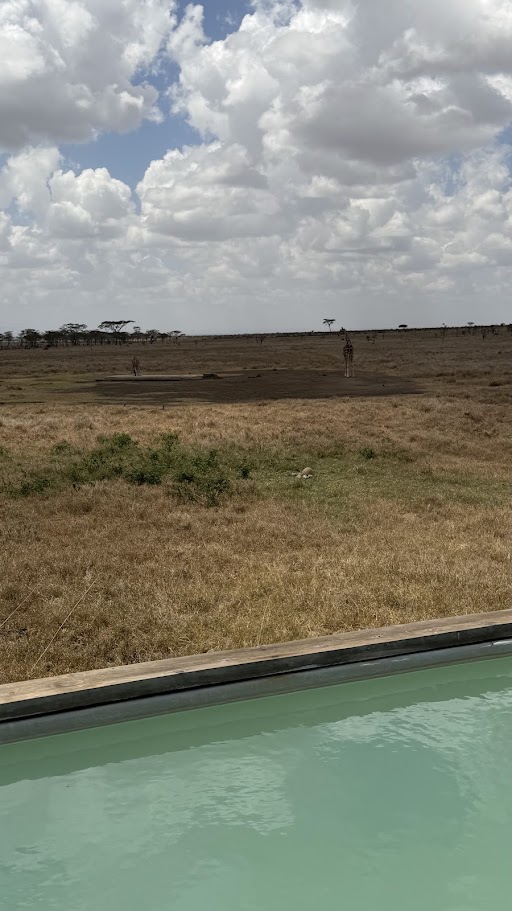
Most luxury safari lodges are on private conservancies and private reserves, not just inside the national parks. That changes everything.
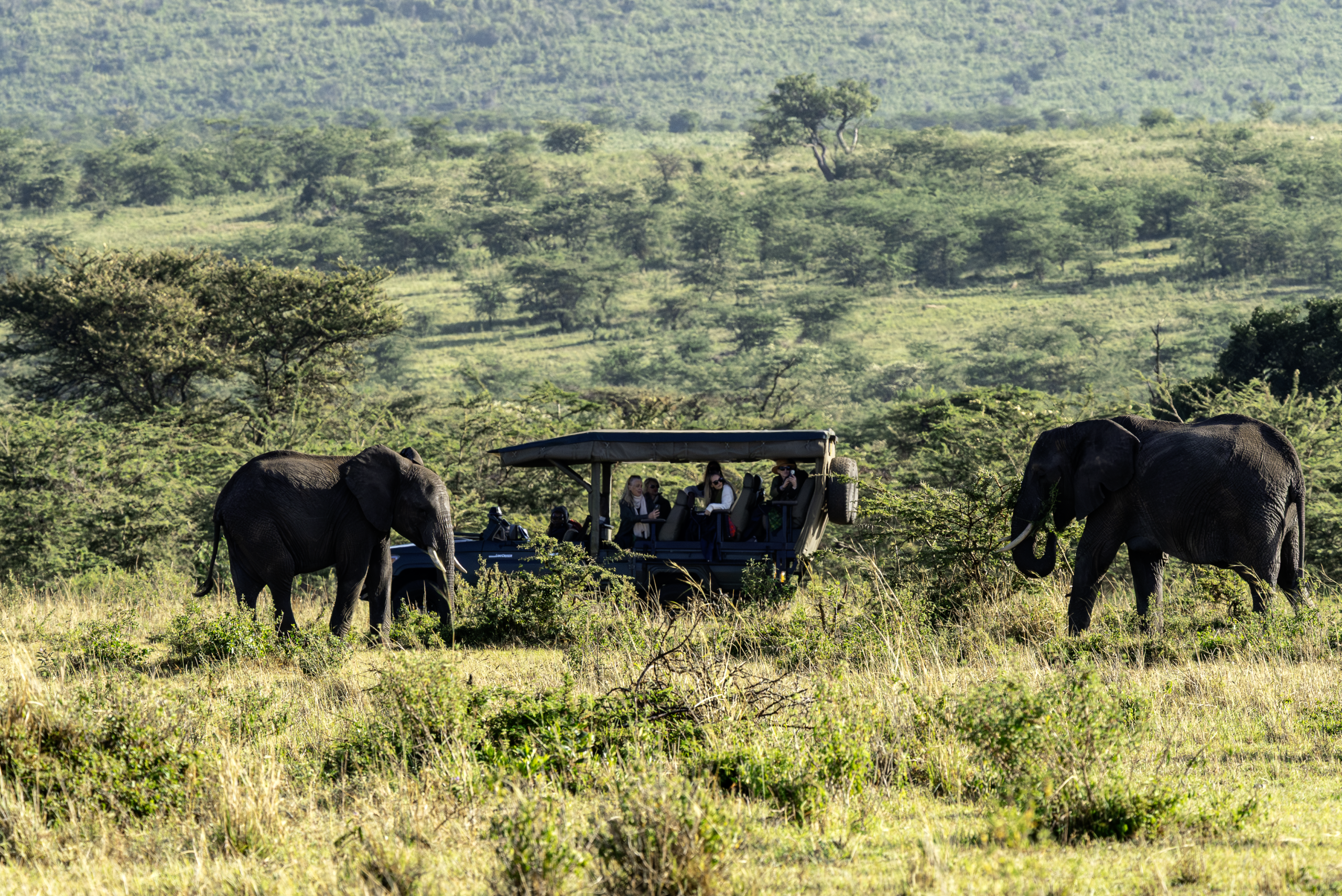
In a busy national park, a big sighting can draw a crowd of vehicles, and you’re required to stay on the roads. On a private conservancy, the number of guests is tightly limited. In Kenya’s Maasai Mara conservancies, for example, camps are capped at roughly one tent for every 350 to 700 hectares of land. That means:
- You’re not fighting other vehicles for a view. Often, it’s just you and the animals.
- Your guide can go off-road to follow a leopard into the bush or get you closer to a pride of lions, within strict rules that protect the land.
- Night drives and walking safaris are often allowed, which most national parks don’t permit.
This is the biggest difference I see between a standard safari and a luxury safari. It’s not the thread count. It’s that quiet moment watching a leopard in a tree with no one else around.
Luxury Safari Means Respect for the Animals and the Land
The best luxury safari operators are serious about conservation. Guides keep a respectful distance, limit time at sensitive sightings and never chase or crowd the animals.
Many lodges also run their own conservation and community programs, from anti-poaching units to schools and health clinics. Much of what you pay goes directly into protecting the land and supporting the communities who live alongside the wildlife.
You’ll also notice the small things, like water filtration systems at the lodge, so you get fresh filtered water in reusable bottles instead of plastic.
Luxury Safari Means Personal, Elevated Service
This is where luxury safari lodges really shine. Most camps only have a handful of rooms, so the service feels incredibly personal.
- Your room attendant becomes part of your safari. They’ll wake you for your early morning game drive with tea or coffee delivered to your room.
- Cold mornings are cozy. Expect your bed warmed at night, plus heated blankets and hot water bottles in the vehicle for chilly early drives.
- Your guide and tracker are experts. The best lodges have some of the most experienced guides in Africa, often paired with a tracker who reads the bush like a book.
- The food is a highlight. Think farm-to-table meals, bush breakfasts, sundowners at sunset and candlelit dinners under the stars.
- Everything is taken care of. Drinks, laundry and activities are usually included, so you never have to think about a bill.
Extra Luxury Safari Experiences
At the top lodges, you’ll find experiences that make the trip truly unforgettable:
- A private vehicle and guide so you can set your own pace
- Sleep-outs on an open-air star bed in the bush
- Helicopter flights over the landscape
- Photographic hides at waterholes for eye-level wildlife photos
- Spa treatments after a long day of game drives
- Hands-on conservation experiences with the lodge’s research or anti-poaching teams
- Light aircraft transfers between camps, so you skip long drives and spend more time in the bush
Luxury Safari Also Means Access
Sometimes, luxury is about getting in at all.
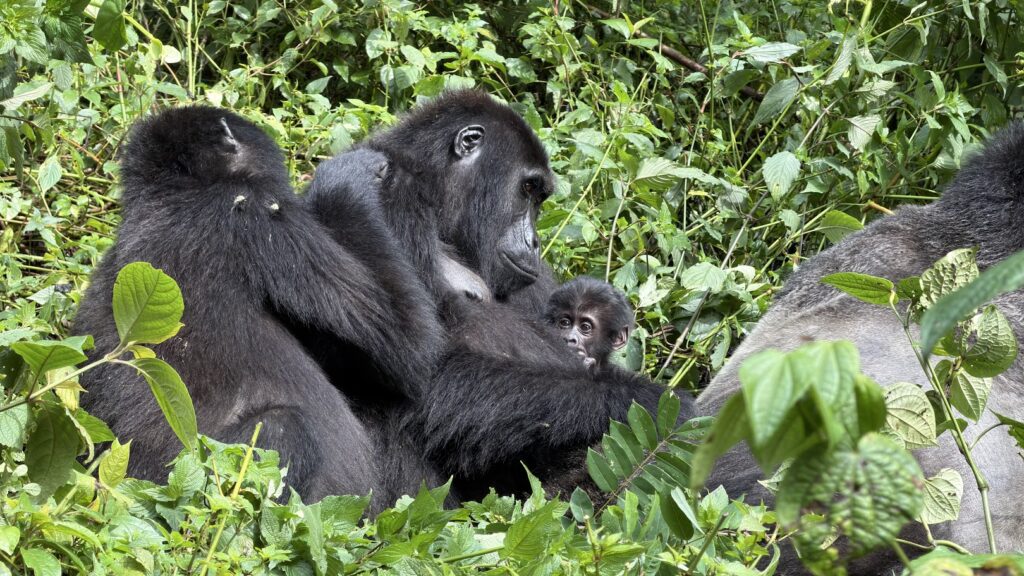
Gorilla trekking in Rwanda is a great example. Volcanoes National Park only issues a limited number of permits each day, about eight per gorilla family, and each permit is $1,500 per person. They sell out quickly, especially in peak season. Uganda’s permits are lower priced and often easier to get.
Botswana follows a “high-value, low-volume” model. Huge private concessions host only a few dozen guests at a time, so the best camps book up a year or more in advance.
Compare that to destinations like Kenya and Uganda, where there are more lodges and generally more availability. Part of what you’re paying for with a luxury safari is an advisor who knows how to secure those hard-to-get permits and rooms. That’s where my relationships with lodges and partners in Africa really matter.
Planning a gorilla trek? Read my complete guide to gorilla trekking.
Is a Luxury Safari Worth It?
In my experience, absolutely. A safari is often a once-in-a-lifetime trip, and the difference between a crowded sighting and a private one is something you’ll remember forever.
A luxury safari gives you more time with the animals, fewer people around you and a team that takes care of every detail, so all you have to do is enjoy it.
Let’s Plan Your Luxury Safari
Safari is one of my favorite trips in the world, and I travel to Africa regularly to see the lodges myself. Whether you’re dreaming of the Maasai Mara, Botswana’s Okavango Delta, South Africa’s Sabi Sand or gorillas in Rwanda, I’d love to help you plan it.
FAQ
What makes a safari luxury? A luxury safari combines a beautiful lodge with exclusivity: private conservancies, limited vehicles, off-road driving, expert guides and highly personal service.
What is a private conservancy? A private conservancy is land outside or next to a national park where lodges limit guest numbers. Guides can usually drive off-road, do night drives and lead walking safaris.
How far in advance should I book a luxury safari? I recommend 12 to 18 months ahead, especially for Botswana, gorilla trekking in Rwanda and peak migration season in Kenya and Tanzania.
Is everything included on a luxury safari? Most luxury safari lodges include meals, drinks, game drives, park fees and laundry. Gorilla permits, light aircraft flights and some premium experiences may be extra.